
Soothing Doggie Nerves: 7 Easy Hacks for a Chill Pup at the Vet!
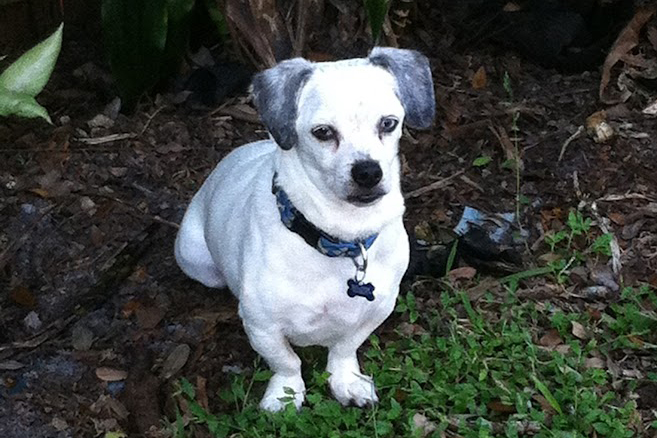
To say that my dog, Zed, is an anxious little guy is an understatement. And when it comes to a visit to the vet, it’s like he has some kind of sixth sense — he knows it’s coming and he’s not at all happy about it. It’s truly a nerve wracking experience for the both of us. His anxiety is difficult to witness; I’ve even felt helpless to make things better for him in the past.
Some reasons why vet visits are so stressful is because the environment itself is filled with unfamiliar scents, sounds, and other animals, all which are extremely unsettling to fur babies like Zed. The clinical setting, combined with the prospect of medical procedures (like a thermometer up the bum!), can create tension and anxiety for all involved.
But there’s some great news in all of this — there are many ways to make veterinary visits more pleasant for everyone involved. I’ve interviewed my veterinary friend, Dr. Robin Moore, and she has given me some fantastic tips and tricks to help me (and Zed) the next time he goes to the vet. I’m certain that any family who has had this experience will benefit by incorporating even just a few of these things she suggests into their next vet visit, too.
Prep at home
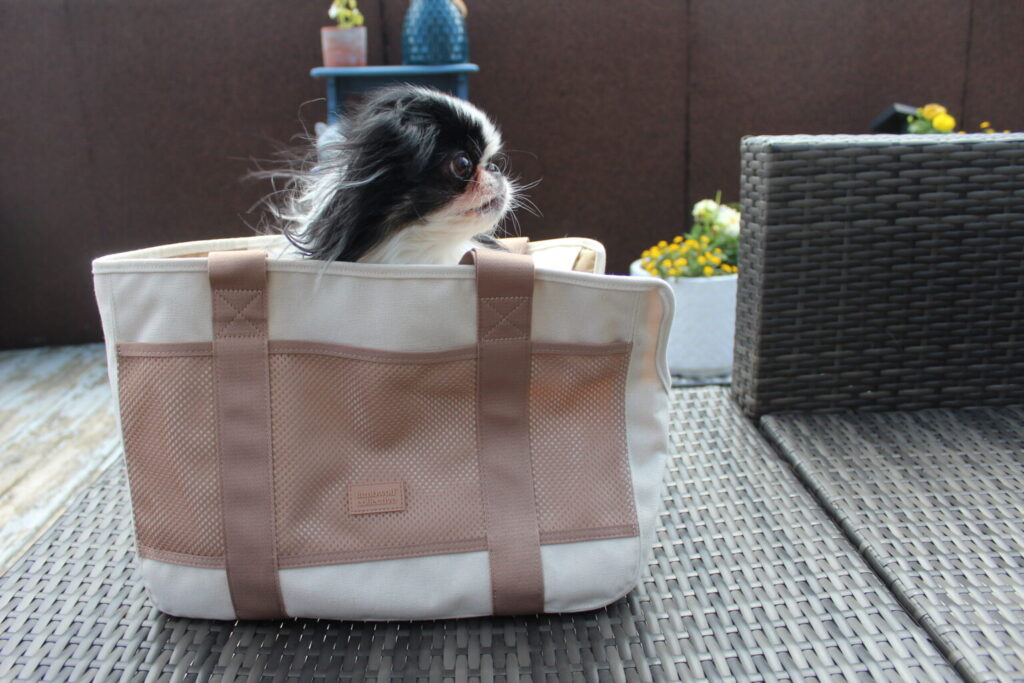
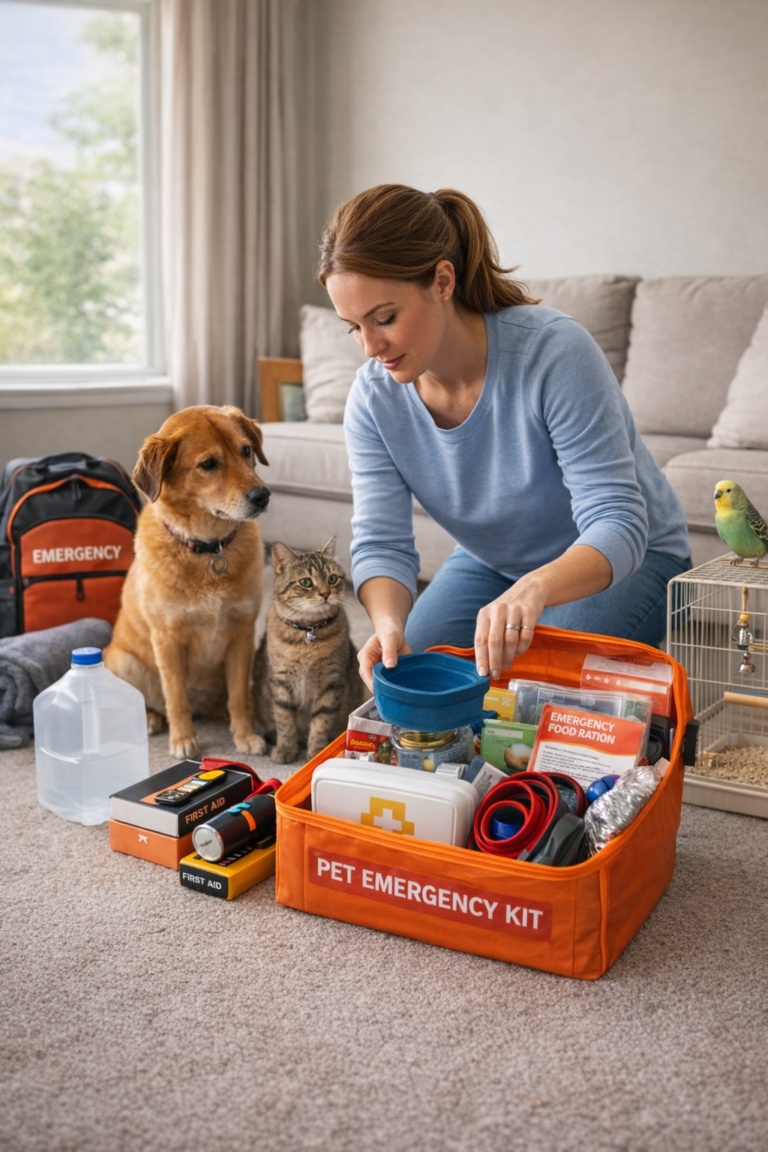
Start by making sure your dog has an extremely comfortable and properly fitted leash and collar or harness. Make sure they have worn it several times before the vet visit so it’s not new to them. If you’re going to transport them in a carrier, be sure it’s the correct size for them and that they are comfortable loading in and out of it. It needs to be sturdy, well ventilated, and have easy access doors or zippers. It’s a good idea to include a soft, comfy blanket and maybe a favorite toy for them as well. This all helps your pet associate the carrier with safety and comfort.
Don’t let the vet visit be the only time you take your dog in the car with you. You need to take some test runs to help your pet be at ease in the car. It’s also a good time to find out if they get motion sickness. Dr. Moore says it’s not an uncommon occurrence in her veterinary clinic for pets to vomit or lose urine or bowel control on the way to the vet. If your pet does get sick on a test ride, please let your vet know so they can help you with some medication to alleviate this prior to coming for their visit.
Prep for arrival and departure
Above all else, have a conversation with your vet team before going for the appointment. Let them know about your concerns and tell them you have some ideas about how to mitigate them. Be open to any suggestions they may have as well. Request that the appointment be scheduled during a typically slower/less busy time and day. Dr. Moore says that her practice is bustling every Saturday and that most veterinary hospitals are the same way. She suggests that you avoid booking on a Saturday if at all possible.
Ask if it would be okay for you to call ahead and then wait in the car upon arrival until an examination room is open and ready for you and your pet. This will allow you to skip over the commotion of the noisy, scary reception waiting area altogether. When the appointment has finished, do the exact reverse of this — stay in the exam room until everything is completely finished, then don’t stop in the lobby; instead go directly outside, stop only for a potty break and then get into the car and go home. Easy peasy!
Prep for the exam
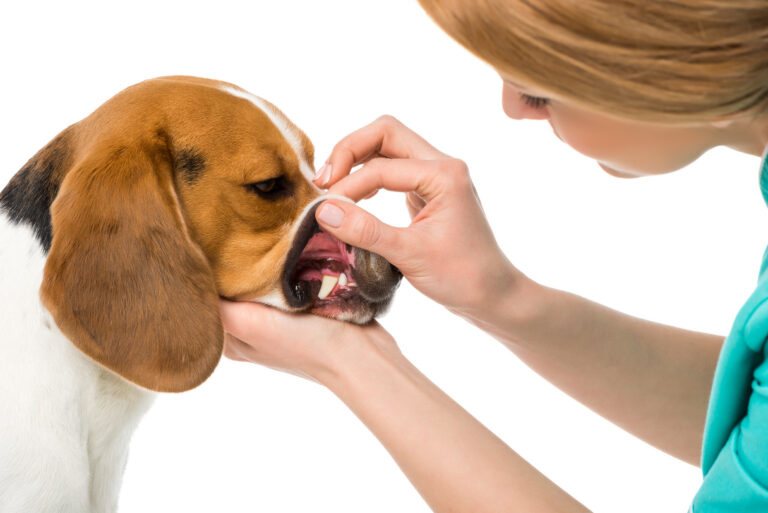
To prepare for the medical examination, regularly practice gentle handling exercises at home. Touch and hold your dog’s paws, look in their eyes and ears, open their mouth, and stroke all of the different parts of their body. Reward them with treats and praise during these exercises. If there are particular parts your dog doesn’t like touched, be patient with them and continue to work on desensitizing them. Bring this to the attention of your veterinary team, so they know to be extra gentle in these areas and also to investigate possible sources of pain. Doing all of this starting many weeks/months ahead of time will help your dog stay calmer and more cooperative during the actual veterinary physical examinations.
Fear Free techniques have become widely incorporated into the veterinary profession. A big part of this is the use of distractions before, during and after the examination and any necessary handling. Pack some of your dog’s preferred toys or special treats to provide comfort and relaxation. These familiar items help create a calmer atmosphere during the wait. Offering high-value treats, gentle praise, or access to a favorite toy averts their attention so they are less concerned about their surroundings and what is being done to them.
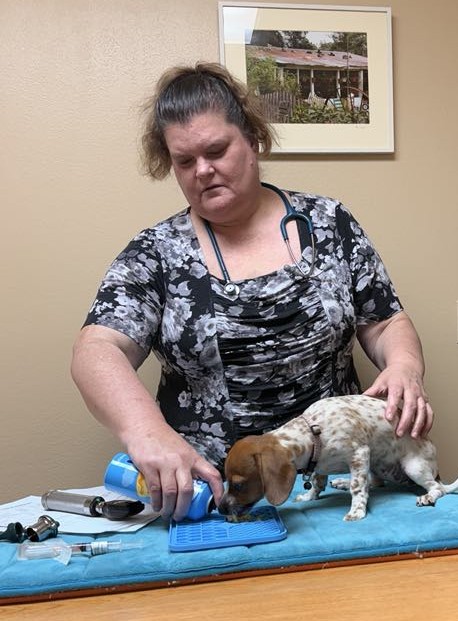
Dr. Moore’s team and their patients are huge fans of LickiMats that are covered in peanut butter or spray cheese. This strategy helps transform all vet visits into more manageable experiences, while also building a foundation of trust. The positive reinforcement helps your dog build a better relationship with vet visits over time.
Calming aids are super helpful
When it comes to managing your dog’s anxiety at the vet, there are several non-medicinal options available. From calming accessories such as anxiety wraps and pheromone-infused collars to natural supplements, these tools engage all of the dog’s senses and can significantly improve your pet’s veterinary experience. Each option works differently, ask your veterinarian if they have any specific product recommendations.
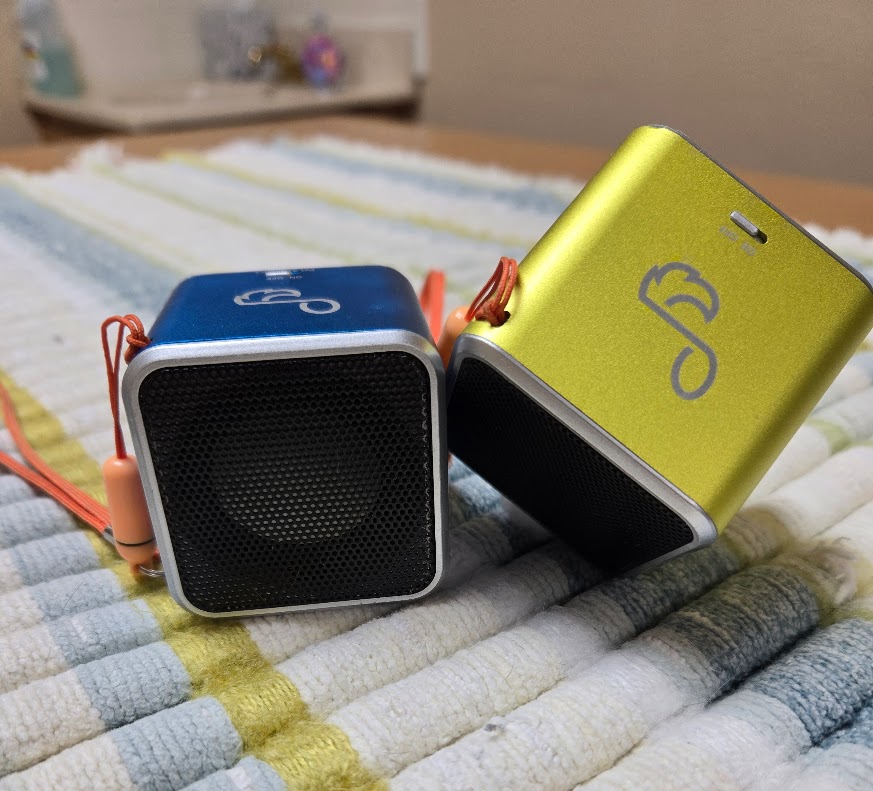
One practical tip is to play music on low volume on your cell phone while waiting in the exam room. Most pets enjoy music and having it playing will help to dampen the other noises of the veterinary hospital. Dr. Moore uses PetTunes devices in all of her exam rooms and in the groom room, kennel and treatment area of her hospital. Anxiety is a multi-faceted situation, so be patient and know that you may need to try a few different combinations to find what works best for your dog.
Medication may be needed
It’s crucial to understand and be mindful of your dog’s limits. Pushing an anxious dog into uncomfortable situations can heighten their stress and anxiety, potentially making them more fearful of future appointments. Even one negative experience like this could lead to increased difficulty in managing their healthcare needs down the line.
If your dog shows signs of severe anxiety at the vet, have an open discussion with your veterinarian about alternative solutions. They may suggest different approaches such as at-home visits or anti-anxiety medications. Dr. Moore says that for some dogs, no amount of gentle handling and distraction can make the situation tolerable to them. There is nothing wrong with giving a mild sedative so these pups can see a veterinarian without having to experience a full on panic attack. Your veterinarian can help determine if medication is appropriate for your dog’s specific situation.
Your attitude makes a difference too
Dogs possess an incredible ability to sense and mirror their parent’s emotional state. When you experience anxiety or nervousness, your dog can pick up on these feelings and become stressed themselves. That’s why it’s crucial for pet parents to maintain a calm and confident attitude, especially in potentially stressful situations. By displaying a relaxed demeanor, you can help your dogs feel secure and understand that everything is okay.
Some dogs can get stressed out by their need to be in “protective mode” while at the veterinary office. If they perceive that their owner is in danger or being threatened they will escalate, sometimes to the point of displaying aggression towards the veterinary staff.
Dr. Moore explains that although it seems counterintuitive to allow the vet team to separate you from your anxious pet, in some situations this can actually lower the dogs level of anxiety and allow them to relax. This is a situationally dependent scenario and one that you and your vet team can figure out together based on your dog’s behavior and non-verbal cues. It’s important that you have an open dialogue about this and be willing to try anything that could help your dog — even if it means that you are not physically present for the visit.
“Puppy Pop-Ins” are the best
Non-agenda visits to the vet can help your dog feel more at ease in general. By familiarizing your pet with the clinic environment and staff outside of stressful examination visits, they’ll become way more comfortable with the entire experience. This proactive approach helps reduce anxiety and makes medical visits smoother for everyone involved. One way to do this is to simply stop in as often as possible so your pup can get pets and treats and love without any other agenda. Dr. Moore and her team love these types of visits — “puppy pop-ins” are the best!
You’re already headed for success
By being interested enough to read this article, you’re already ahead of the pack. Your desire to make veterinary visits less stressful for your dog requires thoughtful preparation and a positive approach. By implementing even just a few of these suggestions, you can help your furry friend feel more comfortable during these essential check-ups.
A successful vet visit starts with understanding your dog’s triggers and working with your veterinarian to create a tailored plan that addresses their specific needs. Incorporating as many of the calming techniques as possible and maintaining open communication with your veterinary team, will transform what might be an anxiety-inducing experience into a manageable routine.
Remember that each dog is unique, so it’s important to be patient and flexible as you discover what works best for you and your pet. Regular veterinary care is crucial for your dog’s health, and making these visits more pleasant will improve your pets overall health and quality of life.
BIO:

Amy Tokic is a Canadian writer who specializes in all things pets. Her articles have appeared in many online publications, including PetGuide.com, The Honest Kitchen, Canine Culture and more. She also writes about the antics of her Japanese Chin, Zed, on her website, ThatFluffingDog.com. In her down time, Amy enjoys exploring second-hand bookstores and record shops, immersing herself in the world of pet products, and enthusiastically chasing squirrels with her furry best friend.


Hola! I’ve been reading your weblog for a while now and finally got the bravery to go ahead and give you a shout out from Kingwood Texas! Just wanted to say keep up the good job!