EASY DISASTER PREP GUIDE FOR YOU AND YOUR PET

🌀 Hurricane Prep for Pet Parents: What You Need to Know Before the Storm Hits
When a hurricane is on the horizon, most Florida residents know the drill—stock up on water, secure the house, check the generator. But if you have pets, your disaster prep list needs a few extra steps. And those steps can make all the difference in keeping your animals safe, calm, and by your side through the chaos.
At East Bay Animal Hospital, we’ve helped families prepare for everything from hurricanes to house fires, unexpected hospital stays, and even sudden evacuations due to local flooding. The truth is: emergencies don’t come with much notice. But that doesn’t mean you can’t be ready.
Here’s your clear, compassionate guide to storm-season readiness—for you and your pet.
🧭 Why Pet Prep Matters (And Why It Can’t Wait)
Whether it’s a hurricane barreling toward Pinellas County or a family emergency that takes you out of the home for days, the last thing you want is to scramble for food, meds, or a safe place to go with your animals. A few hours of planning now can prevent heartbreak, health risks, and costly mistakes later.
And if you’re thinking, “I’ll just figure it out when the time comes,”—trust me, I’ve seen firsthand how stressful that can be. Let’s avoid that.

📋 1. ID First: Make Sure You Can Be Reunited
In the chaos of an evacuation or home emergency, pets can slip away—even the well-trained ones. If you’re separated, proper ID is what brings them back to you.
✅ Microchip: If your pet isn’t chipped yet, make this a priority. Every vet or shelter can scan a chip and pull up your contact info.
✅ Collar ID: A collar with up-to-date ID tags (including a cell number and emergency backup contact) is your first line of defense. Bonus if it includes GPS tracking.
✅ Photos: Keep a current photo of your pet—solo and with you—in your phone and in your printed file. These are helpful for identification and proof of ownership if needed.
💉 2. Keep Vaccines Current
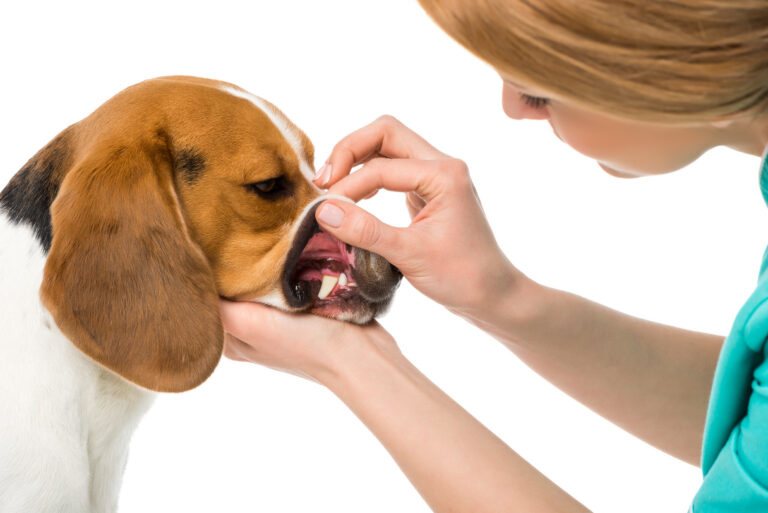
Up-to-date vaccines aren’t just about long-term health—they’re essential during emergencies when your pet may be around other animals or staying in unfamiliar places.
At minimum, make sure your pet is current on:
- Dogs: Rabies (required by law), DHPP, Bordetella
- Cats: Rabies, FVRCP
💡Pro Tip: Save a photo of your pet’s vaccine records on your phone, and keep a printed copy in your emergency kit. At East Bay Animal Hospital, all your vaccine info is stored in your PETLY Portal for easy access.
💊 3. Have a Backup Supply of Medications

If your pet is on prescription meds, supplements, or monthly preventives (like heartworm or flea control), don’t wait until you’re low. Always have a minimum of 30 days’ worth ready to go.
✔ Print and store written dosing instructions
✔ Keep a digital copy on your phone
✔ Ask your vet for an emergency prescription
Need help organizing it all? We can provide a medication summary printout through your Petly Portal.
🍽 4. Don’t Forget the Food (and Litter)
Pets don’t handle stress or food changes well. An evacuation is not the time to switch diets or run out of litter.
✅ Pack at least 7–14 days of your pet’s usual food
✅ Include feeding instructions if someone else needs to help
✅ Keep extra litter (or pee pads) on hand—store in gallon-sized bags for quick grab-and-go
✅ Use disposable trays or cake pans for makeshift litter boxes
🧳 5. Prep Your Go-Kit: Carriers, Leashes & Comfort Items
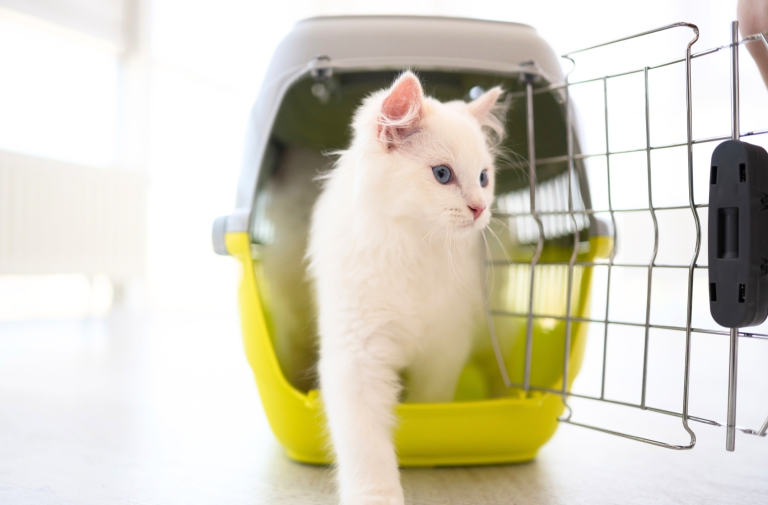
Every pet should have a designated carrier or crate they’re comfortable in—don’t wait until an emergency to introduce it.
✔ Travel carrier, leash, collar, harness
✔ Beds, blankets, a favorite toy
✔ Training pads or waste bags
✔ Label everything with your contact info
✔ Practice evacuating—yes, really!
🏨 6. Know Where You’ll Go (And Who Takes Pets)
Your safest bet? Friends or family. But not everyone is able—or willing—to house pets.
Plan ahead by:

🔹 Saving the names and numbers of 2 pet-friendly hotels in opposite directions from your home
🔹 Checking for local pet-friendly shelters (in Pinellas County, pre-registration may be required)
🔹 Asking a trusted person if they could care for your pet in an emergency
🚫 Never leave your pet behind. Even if they seem safe, weather and rescue access are unpredictable. If you evacuate, they evacuate.
🚨 7. Add These Emergency Items to Your List
Here’s what most pet parents forget (but wish they hadn’t):
- Pet Alert window decals – Alert first responders to pets inside your home (Free at East Bay Animal Hospital)
- Emergency contact sheet – Include your info, vet, emergency clinic, poison control, and pet-sitter contacts
- Proof of ownership – Microchip records, adoption paperwork, or license
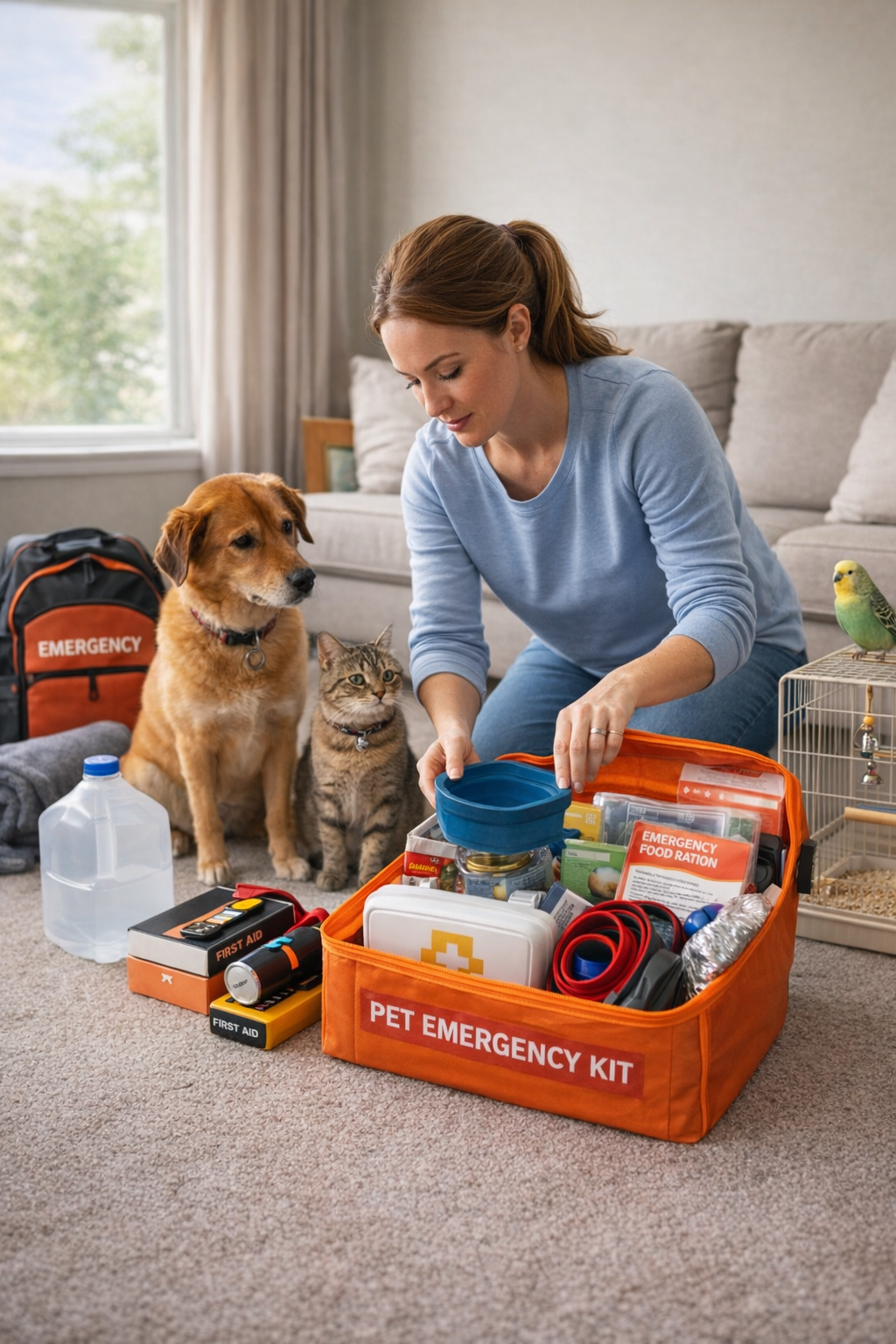
- ASPCA Pet Emergency Kit – Easy to order or create your own from our checklist
🖨 Download Your Free Printable Checklist

Want a ready-made, vet-approved supply list?
📥 Click below to download our Pet Disaster Prep Checklist — print it, save it, and keep it with your emergency kit.
👉 [Get the Free Checklist] (link placeholder)
🌟 Coming Soon: Full Emergency Pet Guide + First Aid Add-On
For pet parents who want to go beyond the basics, we’re working on a comprehensive Hurricane & Emergency Pet Prep Guide — including:
- Pet first aid essentials
- How to make your own kit
- CPR basics
- Stress management tips for pets on the move
Watch your inbox—we’ll be offering early access to subscribers.
🐾 Peace of Mind Starts with a Plan
Hurricane season doesn’t wait—and neither should your pet prep.
If you need help updating vaccines, organizing records, or prepping an emergency file, we’re here to help.
📞 Call us at East Bay Animal Hospital: 727-536-2743
📍 Located in Largo, serving all of Pinellas County
🧡 Your pet is counting on you—and we’re here to make sure you’re both ready.